Latest News
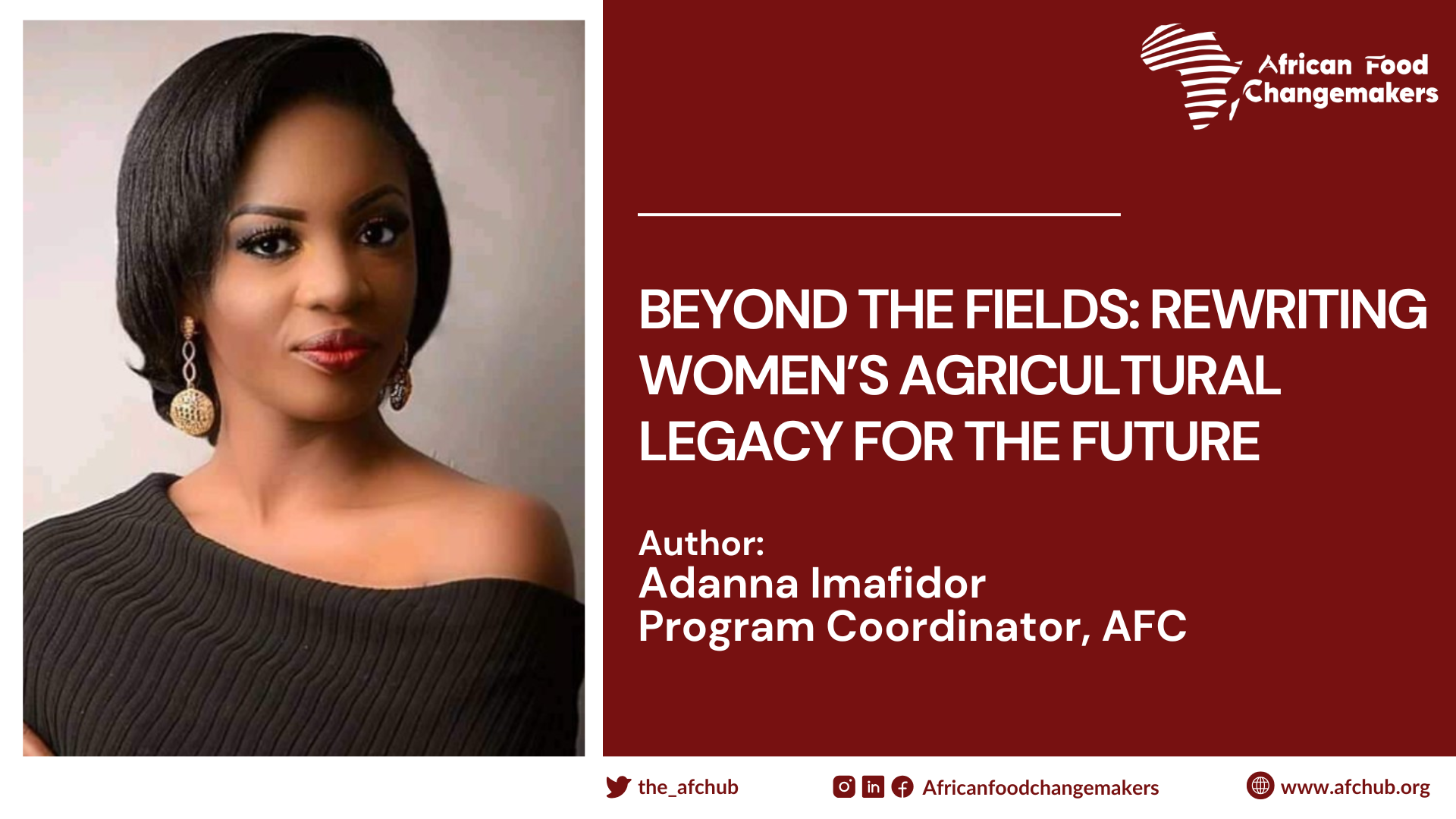
Beyond the Fields: Rewriting Women’s Agricultural Legacy for the Future
For over 10,000 years, agriculture has been the bedrock of civilizations—transforming societies, shaping economies, and feeding nations. Yet, despite their foundational role, women have long been sidelined in the dominant narratives of agriculture. Their knowledge, leadership, and innovation remain largely unrecognized in modern policy, investment, and history.
This isn’t just a gap—it’s a historical oversight that needs correction.
The First Farmers Were Women
Long before agriculture became formalized, women were cultivating, harvesting, and storing food. As gatherers, they possessed intricate knowledge of soil patterns, seasons, and plant cycles. They weren’t assistants in agriculture—they were the innovators. The women of early civilizations decided what to plant, when to harvest, and how to preserve food.
However, it became male-dominated as agriculture evolved into a more structured economic system—with land titles, machinery, and trade. This transition systematically pushed women to the margins, a pattern that persists today. Barriers to land ownership, financing, and decision-making continue to exclude women from leadership in a sector they helped build.
Women: The Hidden Architects of Agricultural Economies
Modern portrayals often confine women to subsistence farming, but this paints only a fraction of the picture.
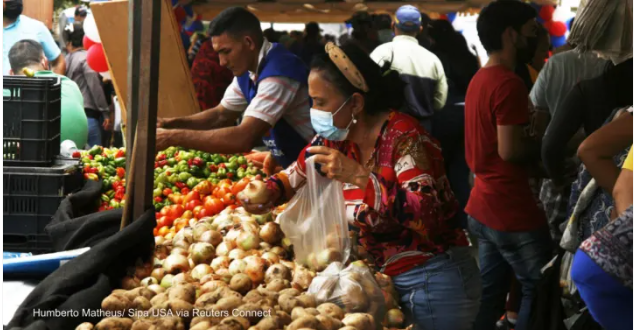
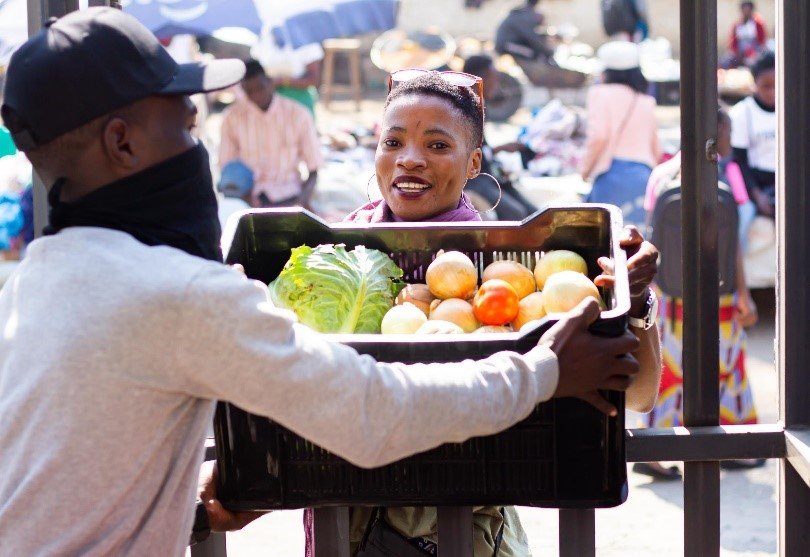
🔹 Agricultural Economists – women dominate informal food markets across Africa, controlling up to 70% of agricultural trade. They dictate pricing, manage supply chains, and influence quality control—yet policies rarely reflect their influence.
🔹 Innovators and Knowledge Keepers – From seed-saving to soil conservation, many of today’s sustainable agricultural practices were pioneered by women. Despite this, women are severely underrepresented in agricultural research and tech innovation.
🔹 Climate Strategists – Facing the frontlines of climate change, women are developing localized, regenerative solutions to build resilience into food systems. However, global frameworks often ignore or underfund their efforts.
Empowering Women in Agriculture: A Smart Investment
Let’s be clear: investing in women in agriculture is not a charitable cause—it’s an economic imperative. Celina Adanna Imafidor
If women had equal access to resources, global agricultural output could increase by up to 30%, potentially feeding 150 million more people (FAO). The ROI is clear, yet the funding, policy support, and innovation channels remain biased.
We need a structural reset.
Pathways to a Gender-Forward Agricultural System
- Policy Redesign with a Gender Lens
- Don’t just ‘include’ women—build frameworks that start with them. Prioritize women in land reform, finance, and market access policies.
- Move Beyond Microloans
- Women need significant capital, too. Shift from microfinance to large-scale funding for women-led agribusinesses.
- Tech by and for Women
- Innovation should consider the labor realities of women—tools, platforms, and apps should be co-created with women farmers in mind.
- Women at the Decision-Making Table
- It’s time to move beyond tokenism. Women must lead agricultural boards, policy councils, and food system dialogues.
Conclusion: A Future Where Women Own the Agricultural Story
The truth is that women have always been at the heart of agriculture. But they have too often been written out of the story. It’s time to write them back in—not as footnotes, but as authors of the next chapter.
From innovation and climate resilience to entrepreneurship and trade, women are already doing the work. What they need now is the platform, the capital, and the power to lead.
Because the future of food isn’t just about production—it’s about equity, voice, and transformation.