Latest News
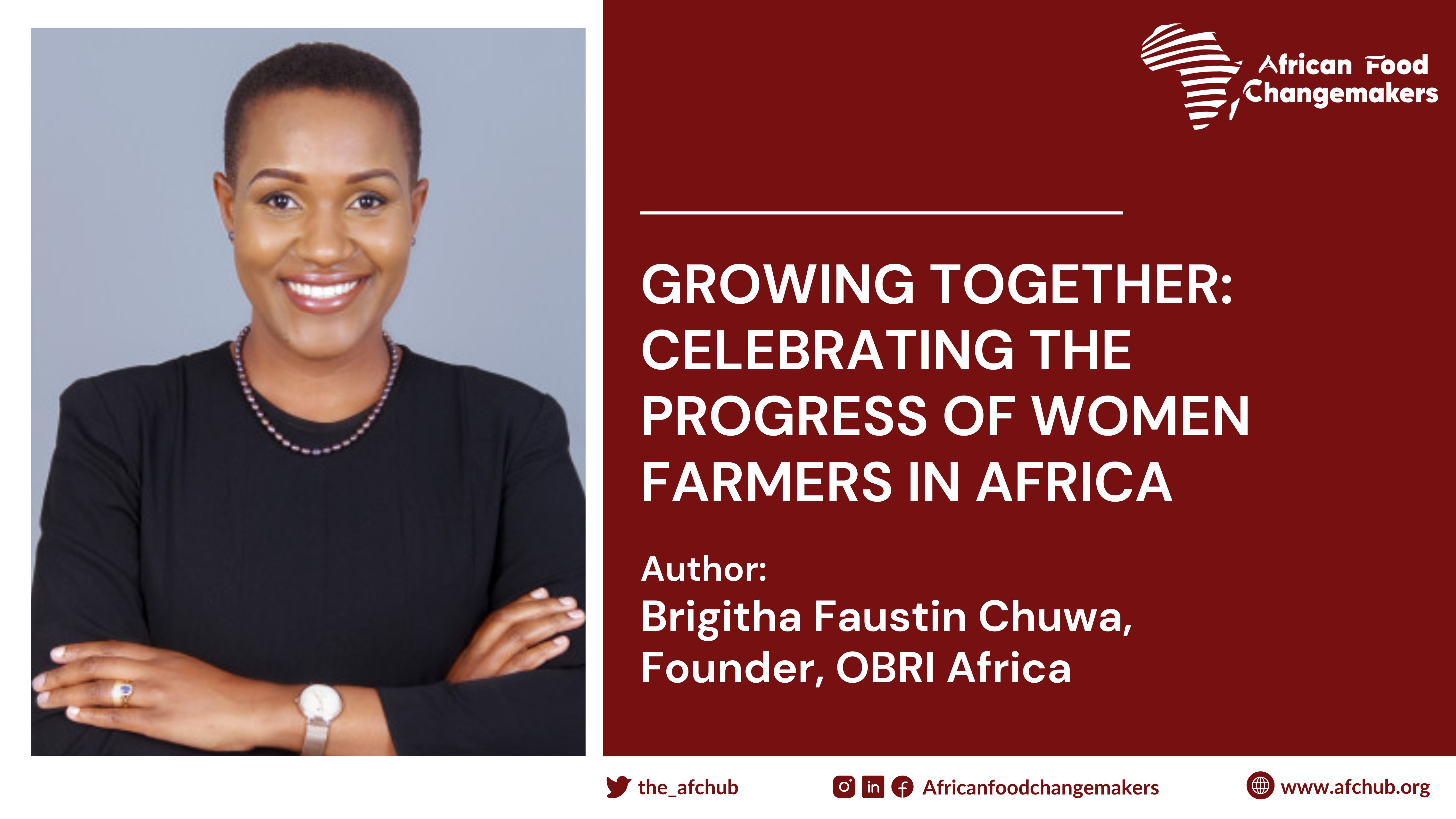
Growing Together: Celebrating the Progress of Women Farmers in Africa
The Cycle of Inequality
Across Africa, women farmers feed the continent, yet they remain largely invisible in agricultural investment and policymaking. Women produce up to 70% of Africa’s food, but receive less than 1% of climate finance. For decades, structural inequalities have trapped millions of women in cycles of low productivity and vulnerability.
In Tanzania, this imbalance has long been visible in the sunflower value chain. Despite their critical role in cultivation and processing, women farmers often struggled to access improved seeds, equipment, and fair market prices. Their potential remained locked behind systemic barriers, even as the demand for healthy, affordable cooking oil continued to grow.

Women at the Heart of Transformation
At OBRI Africa, we believe that women farmers are not just agricultural workers; they are leaders, innovators, community builders, and champions of climate action. Over ten years ago, our journey began with just 400 smallholder women farmers determined to improve their livelihoods through sunflower production.
Many of these women were mothers, breadwinners, and role models in their villages. Despite limited resources, they carried a deep sense of purpose to secure a better future for their families while protecting the land that sustains them. Their resilience and commitment inspired OBRI Africa’s mission to create fair, inclusive, and sustainable agricultural value chains that empower women as equal stakeholders in Africa’s food future.
Today, that small network has grown to over 11,000 women farmers across Tanzania. These women are not just producing food; they are redefining what it means to lead and thrive in agriculture.

Empowering Growth through Inclusion
OBRI Africa’s approach focuses on strengthening the value chain by connecting women to every opportunity along the production-to-market journey. By offering training in climate-smart agriculture, access to quality seeds and inputs, and fair market prices for their harvests, we’ve created a system where every farmer can see and feel the results of their hard work.
Through these interventions, women have achieved remarkable progress, increasing yields nearly threefold per acre compared to earlier seasons.
Beyond the farms, OBRI processes the sunflower seeds into affordable, healthy cooking oil, sold at nearly half the price of competitors’ brands. This not only helps rural women earn steady incomes but also enables low-income households to access nutritious food options. From farmer to consumer, the impact flows through the entire community.
Yet, this success story is not just about OBRI. It’s about what happens when women are trusted with the tools and opportunities to lead. It’s proof that inclusive agribusiness is not charity; it’s one of the smartest, most strategic investments Africa can make.

When Women Grow, Africa Grows
Today, the women of OBRI Africa are doing more than farming; they are driving systemic change. They are teaching climate-smart methods to others, forming savings cooperatives, and mentoring the next generation of female agripreneurs. Their work has improved local food security, increased household incomes, and reduced waste by adopting sustainable processing practices.
The ripple effects are undeniable, as children are staying in school longer, families are accessing better healthcare, and communities are reinvesting in their local economies. Women who once struggled to survive are now thriving as business owners, leaders, and changemakers.
This progress tells a larger story: when women farmers are supported, entire food systems are transformed. They hold the key to a future where Africa feeds itself—sustainably, equitably, and proudly.
At OBRI Africa, we’ve seen firsthand that investing in women is investing in resilience. Their leadership lights the path toward a more food-secure, climate-smart, and inclusive Africa.
Because when women grow, Africa grows.