 Impact Stories
From Drought Loss to Sustainable Renewal: Emmanuel Loka’s BRACE Journey
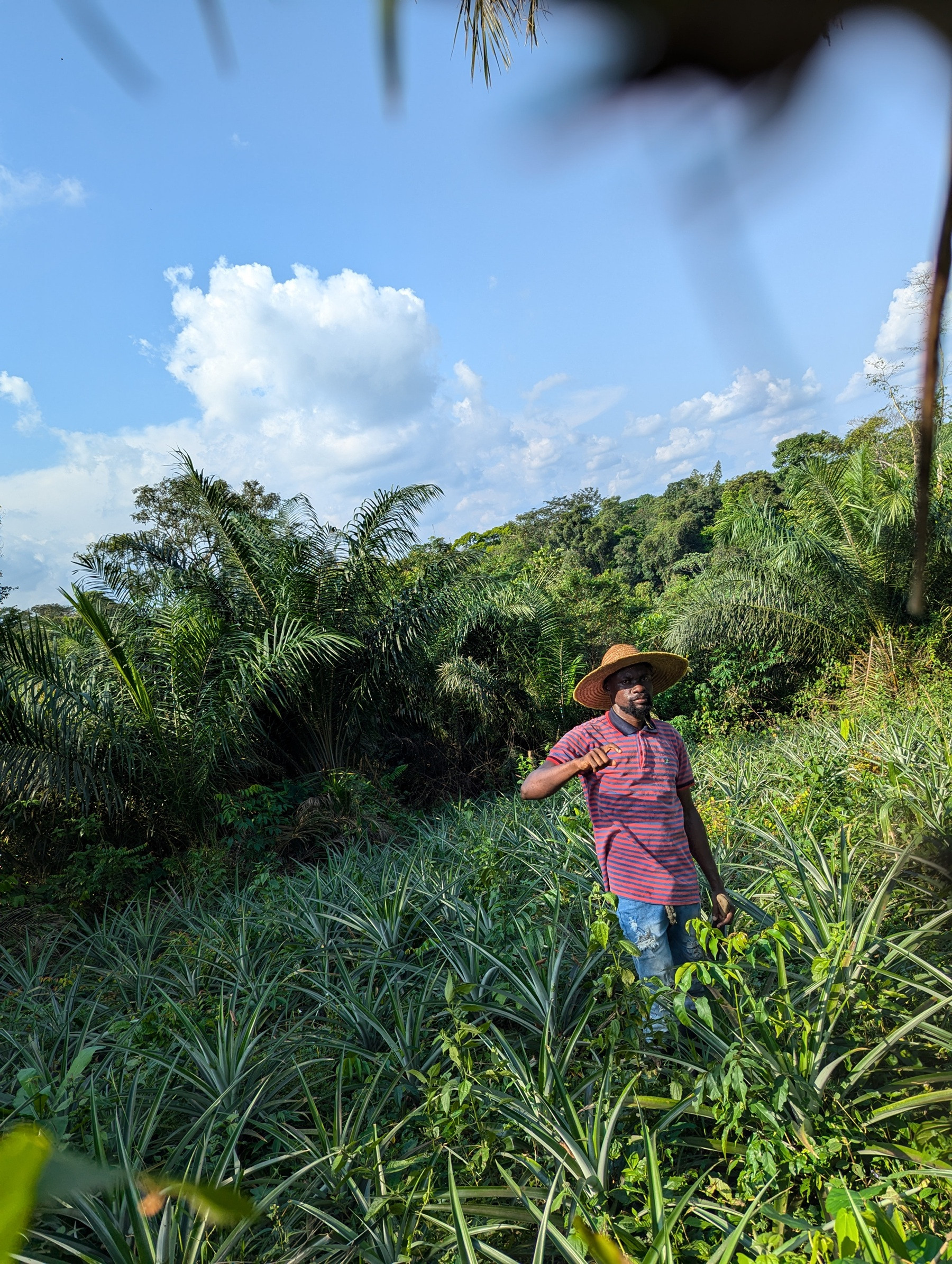
In 2023, Emmanuel Loka stood on nearly one hectare of land and watched an entire chili pepper crop disappear.
The drought in Cameroon’s Mungo department was unforgiving. Under prolonged dry conditions, the sandy soil in parts of Dibombari became intensely hot, and without adequate irrigation, the crops burned.
Months of labor, inputs, and financial investment were lost.
“I lost my entire outdoor farm,” Emmanuel recalls.
For Emmanuel, agriculture had always been more than a livelihood.
As the promoter of GIC LOKA OBOSO, he had spent years building a diversified agribusiness producing pineapples, cassava, plantains, pigs, and chickens across the Mungo and Nkam divisions of Cameroon. Since 2020, his mission has been clear: to demonstrate that agriculture is a viable professional path for young people while contributing to food production within his community.
But the devastating drought forced a difficult question:
How could his business survive in an environment where one climate shock could erase an entire season?
That search for answers led him to the Building Resilience Against Climate and Environmental Shocks (BRACE) Program by African Food Changemakers (AFC).
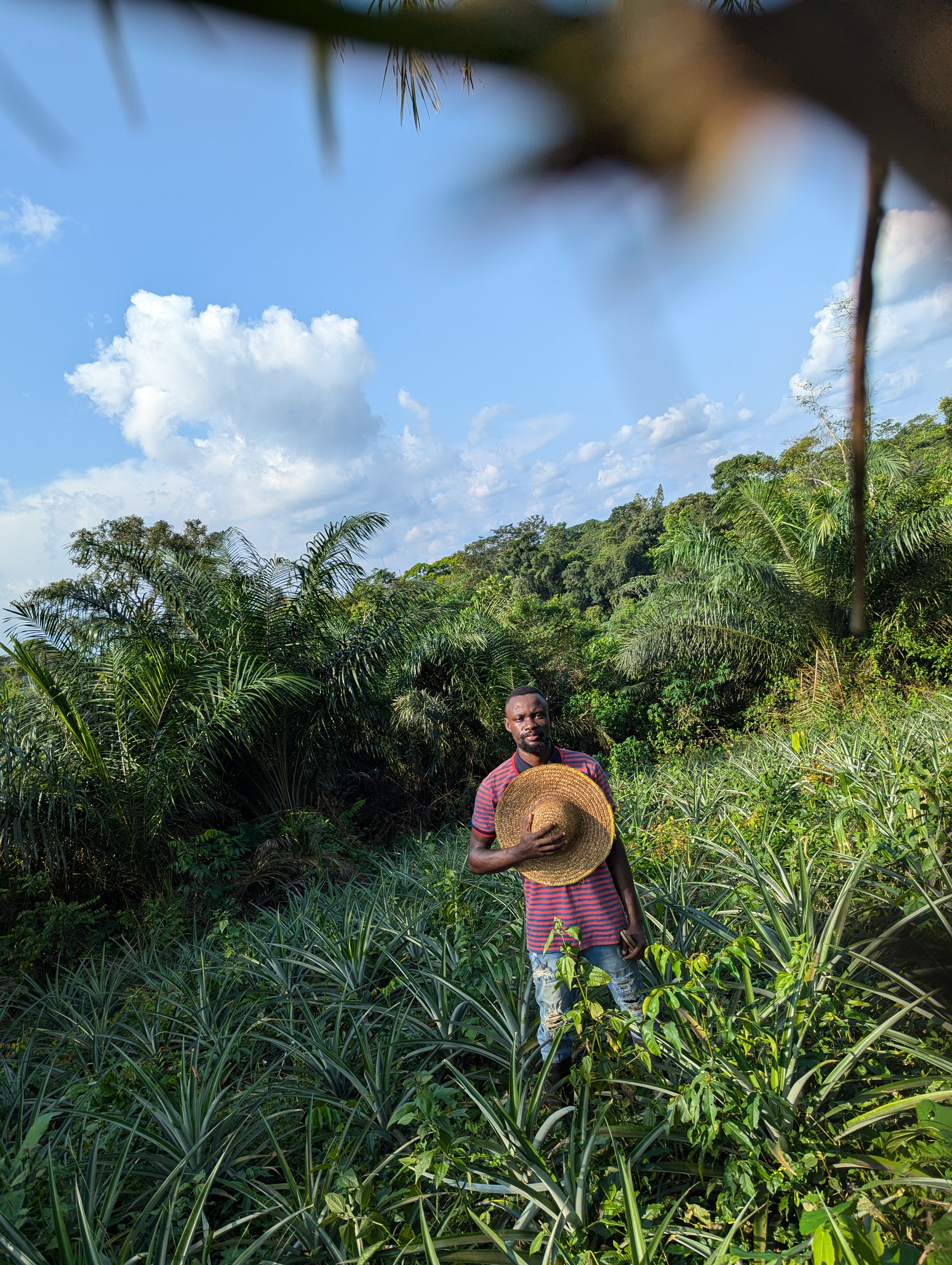
Through the program and a study visit to the International Institute of Tropical Agriculture (IITA) in Nkolbisson, Emmanuel was introduced to practical approaches around climate adaptation, sustainable agriculture, and resilience-building.
The lessons immediately reshaped how he approached farming.
Before BRACE, Emmanuel relied heavily on chemical fertilizers, like many producers in the region. But through the training, he gained deeper insight into the long-term effects of chemical inputs on soil degradation and plant health.
He made a decisive shift.
Today, Emmanuel has completely transitioned to biofertilizers.
“Since I’ve been using the biofertilizer, there’s been a very big difference,” he says.
The changes became visible both in the soil and in the quality of his produce.
According to Emmanuel, the soil now regenerates naturally instead of becoming depleted after each production cycle. He also noticed improvements in the texture and taste of his pineapples, with fruits showing reduced acidity compared to those grown with chemical fertilizers.
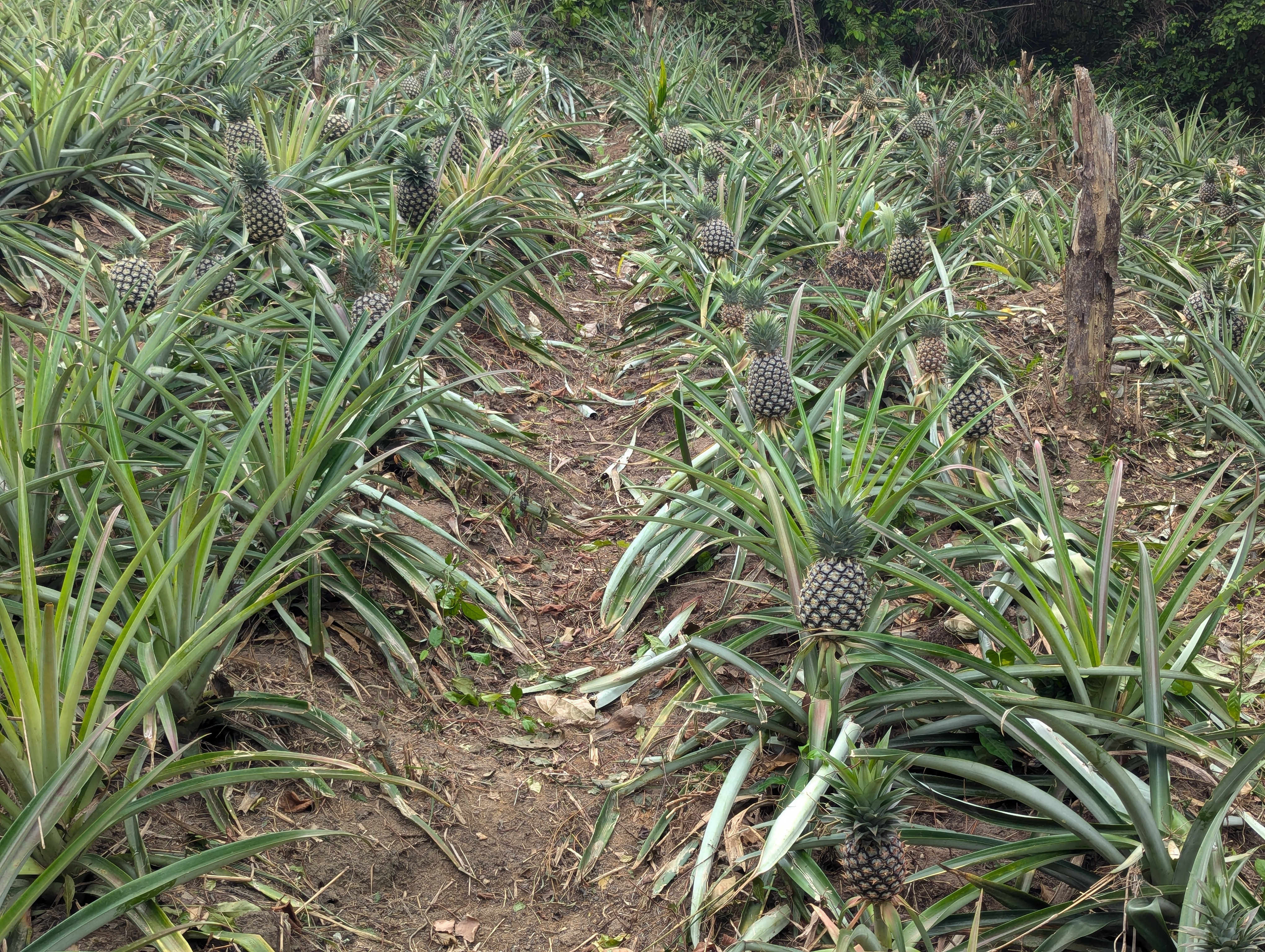
For Emmanuel, this was not only a production improvement, but also an important step toward building a healthier and more sustainable farming system.
The BRACE program also transformed how he manages water.
After losing crops to drought, Emmanuel became more intentional about irrigation. Rather than watering routinely, he now irrigates only when necessary, helping conserve water and reduce waste.
He also began prioritizing climate-resilient crop varieties better suited to changing weather conditions.
While only a few months have passed since completing the program, Emmanuel says the impact has already been significant.
Beyond technical practices, BRACE expanded his exposure to soil analysis techniques, seed selection standards, and laboratory-based agricultural practices through peer learning and study visits.
The program also strengthened his professional network, connecting him with other agripreneurs navigating similar climate challenges.
But perhaps the biggest transformation has been mindset.
Before BRACE, climate change represented vulnerability.
Today, Emmanuel sees it differently.
“Innovation.”
That is the single word he uses to describe the impact of the BRACE program on his business.
For Emmanuel, innovation now means:
- adopting sustainable farming practices
- improving decision-making
- strengthening climate resilience
- sharing knowledge with other farmers and workers in his community
Following the training, he began organizing awareness sessions with peers and workers, helping others understand climate resilience and sustainable agricultural practices.
As a member of the Chamber of Agriculture of Cameroon, he also integrates these lessons into conversations with fellow entrepreneurs.
Although financial constraints remain a challenge, particularly around irrigation systems and processing expansion, Emmanuel is already planning for the future.
He has developed project proposals focused on pineapple and corn production, as well as a larger initiative aimed at processing surplus lemons in Yabassi, where seasonal overproduction often drives prices down.
For Emmanuel, the hectare of chili peppers lost in 2023 became more than a setback.
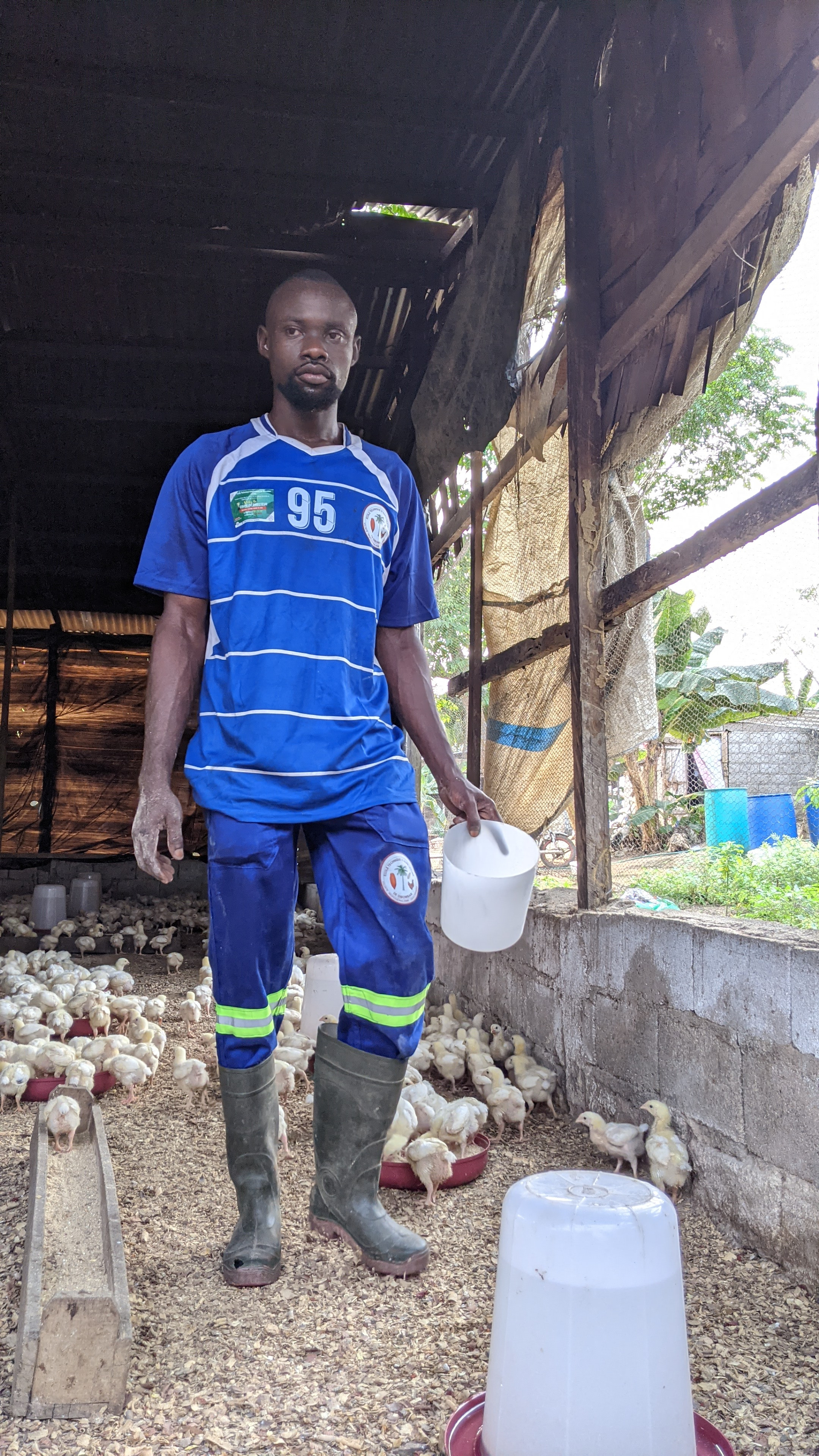
It became the catalyst for transformation.
Today, his farm reflects a deliberate shift toward:
- soil regeneration
- organic inputs
- climate-smart water management
- resilient crop systems
His story is a reminder that resilience is not built by avoiding climate shocks entirely, but by equipping agripreneurs with the knowledge and tools to adapt, innovate, and rebuild sustainably.
Through BRACE, AFC continues to support African agribusinesses with the capacity, exposure, and climate-smart solutions needed to build more resilient food systems across the continent.
And for Emmanuel, the journey from loss to renewal has already begun.